Key takeaways
- Smartwatches and rings track four metrics that say a lot about your heart: heart rate variability (HRV), resting heart rate, heart rate recovery and VO2 max.
- A higher HRV, a lower resting heart rate and a faster heart rate recovery generally point to better cardiovascular fitness.
- A normal resting heart rate is 60 to 100 beats per minute; a sudden drop in HRV or a rising resting heart rate can signal illness, stress, poor sleep or overtraining.
- Trackers estimate VO2 max; a formal cardiopulmonary exercise test measures it directly.
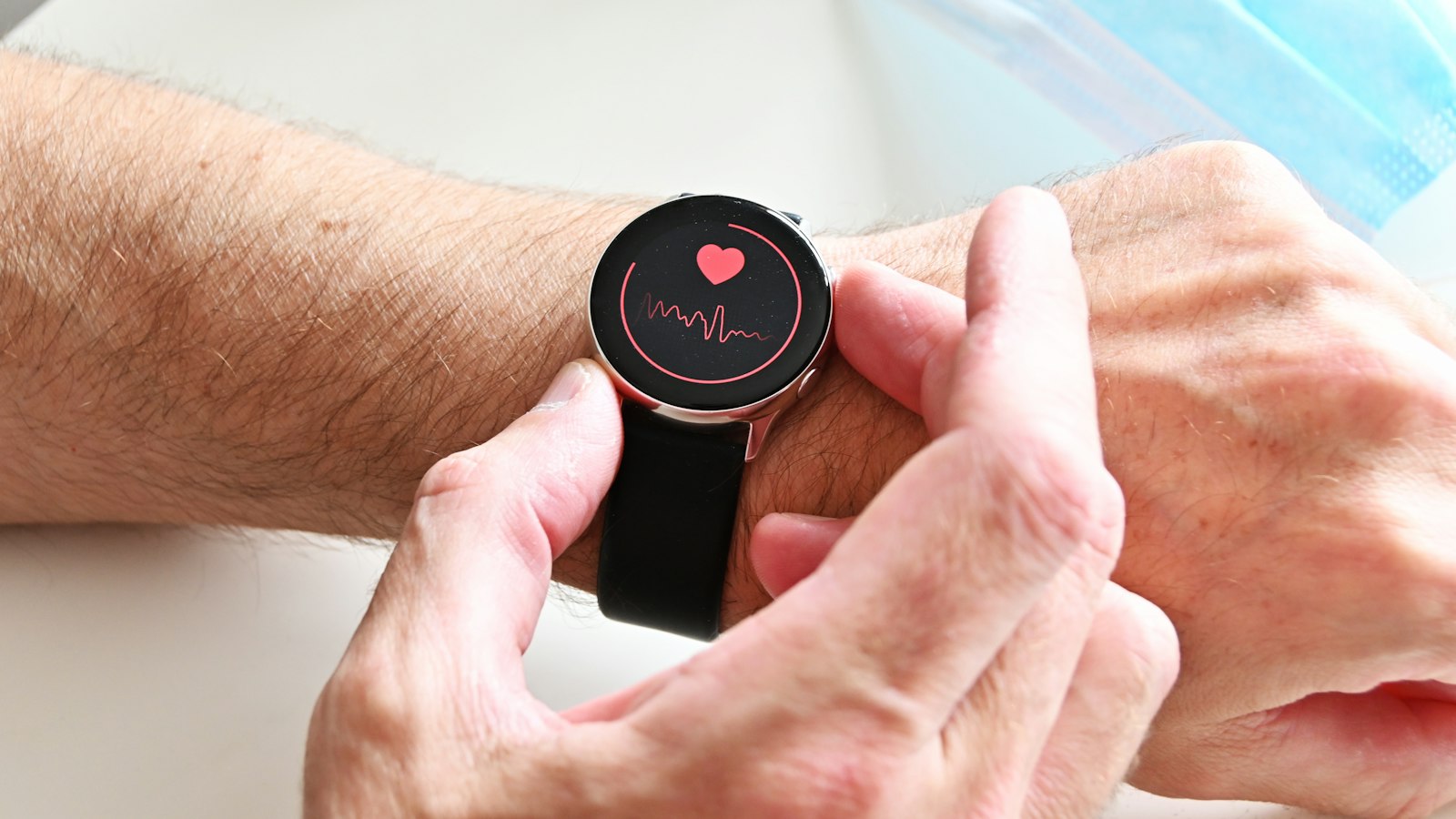
Whether it’s an Apple Watch, a Garmin or an Oura ring, your smart tracker does much more than count steps and calories.
It records a handful of key metrics that give fascinating insights into your heart health, so you can spot changes early and build healthy habits. Here’s what each one means.
What is heart rate variability (HRV)?
Heart rate variability is the natural variation in time between your heartbeats. Your heart doesn’t beat like a metronome: there are millisecond differences between beats, depending on what your body needs.
A higher HRV usually means you’re fit, well rested and resilient to stress. A sudden drop in HRV can be a sign that you’re getting ill or are already unwell. It can also point to poor sleep, stress or doing too much exercise.
What is a normal resting heart rate?
A normal resting heart rate is between 60 and 100 beats per minute (bpm). Typically, the lower your heart rate at rest, the better your cardiovascular fitness, because a stronger heart doesn’t need to work as hard to pump blood around your body. Athletes often see their resting heart rate drop to 40 or 50 bpm.
If your resting heart rate trends upwards, your body may be under stress. This can happen when you’re ill or run down, short of good-quality sleep, going through a stressful period or even overtraining.
What does heart rate recovery tell you?
Heart rate recovery tracks how quickly your heart rate falls after exercise. Generally, a faster recovery means your heart is working as it should.
Watch out for slower-than-normal recovery. It could mean your heart is under strain or needs more rest.
What is VO2 max and why does it matter for your heart?
VO2 max is the maximum amount of oxygen your body can use during intense exercise, and it’s widely seen as the gold standard measure of cardiovascular fitness.
A higher VO2 max means your heart, lungs and muscles are working efficiently to turn oxygen into energy, and your risk of heart disease is lower. It’s why athletes, who usually have a higher VO2 max, can keep exercising at high levels.
Most trackers estimate your VO2 max from data such as your heart rate and activity levels. A formal VO2 max test measures it directly: you exercise on a treadmill or exercise bike while wearing a mask that measures the oxygen you take in and the carbon dioxide you breathe out. This is the cardiopulmonary exercise test (CPET) included in a Tomorrow Health Check.
Find out your true VO2 max at Tomorrow Wellness. Book today
Can a smartwatch ECG detect heart problems?
Some smartwatches can record a 30-second electrocardiogram (ECG), capturing the timing and electrical signals of your heartbeat and checking for an irregular rhythm. It can’t diagnose a problem, but it’s a useful way to spot irregularities early. If your watch flags something, or you have symptoms such as chest pain, palpitations or breathlessness, speak to your GP or call NHS 111.
See how your heart is really performing. Book your comprehensive Health Check
Frequently asked questions
What is a good heart rate variability (HRV)?
HRV is personal, so it’s most useful to compare against your own baseline. A higher HRV usually means you’re fit, well rested and resilient to stress, while a sudden drop can signal illness, poor sleep, stress or overtraining.
What is a normal resting heart rate for adults?
A normal resting heart rate is between 60 and 100 beats per minute. Fitter people often have a lower resting heart rate, and athletes can drop to 40 or 50 beats per minute.
Is the VO2 max on my smartwatch accurate?
Trackers estimate VO2 max from your heart rate and activity data. A cardiopulmonary exercise test (CPET), where you exercise while wearing a mask that measures your breathing, measures it directly.
Can a smartwatch ECG diagnose a heart condition?
No. A 30-second smartwatch ECG can flag an irregular rhythm early, but it can’t diagnose a problem. Speak to your GP if it flags something or you have symptoms.