Key takeaways
- A panic attack and a heart attack can share symptoms: chest discomfort, breathlessness, sweating, nausea and dizziness.
- Roughly 10% of people in the UK have panic attacks and one in 100 has panic disorder; a panic attack usually lasts five to 20 minutes.
- Heart attacks are not always dramatic: many people feel a heaviness in the chest or pain in the arm, back, neck or jaw.
- If chest symptoms are new or worrying, getting worse, or come with breathlessness, nausea, fainting, sweating or pain spreading to your arm, back, jaw or neck, call 999.
If you’ve ever had a panic attack, you’ll be familiar with the symptoms: chest tightness, a racing heart, dizziness, nausea, breathlessness, sweating and a sudden feeling that something is terribly wrong.
Roughly 10% of people in the UK have panic attacks, and one in 100 people has panic disorder, which is characterised by repeated panic attacks. Often described as an extreme anxiety response, a panic attack can develop quickly and last anywhere from five to 20 minutes.
The problem is, a panic attack may be more than a panic attack.
Can a heart attack feel like a panic attack?
Yes. “A heart attack can cause chest discomfort, breathlessness, sweating, nausea and dizziness, which are similar symptoms to those of a panic attack,” says Dr Adam Haque, Co-Founder & Medical Director at Tomorrow Wellness.
“Because panic attacks are relatively common, it could be easy for someone to write off potentially fatal symptoms, especially if they’re familiar with panic attacks, having had them before. That’s not to say every panic attack is going to be a heart attack, but it’s wrong to assume that we always know what’s happening.”
What might a heart attack feel like?
In the UK there are around 100,000 hospital admissions each year due to heart attacks, which equates to one every five minutes.
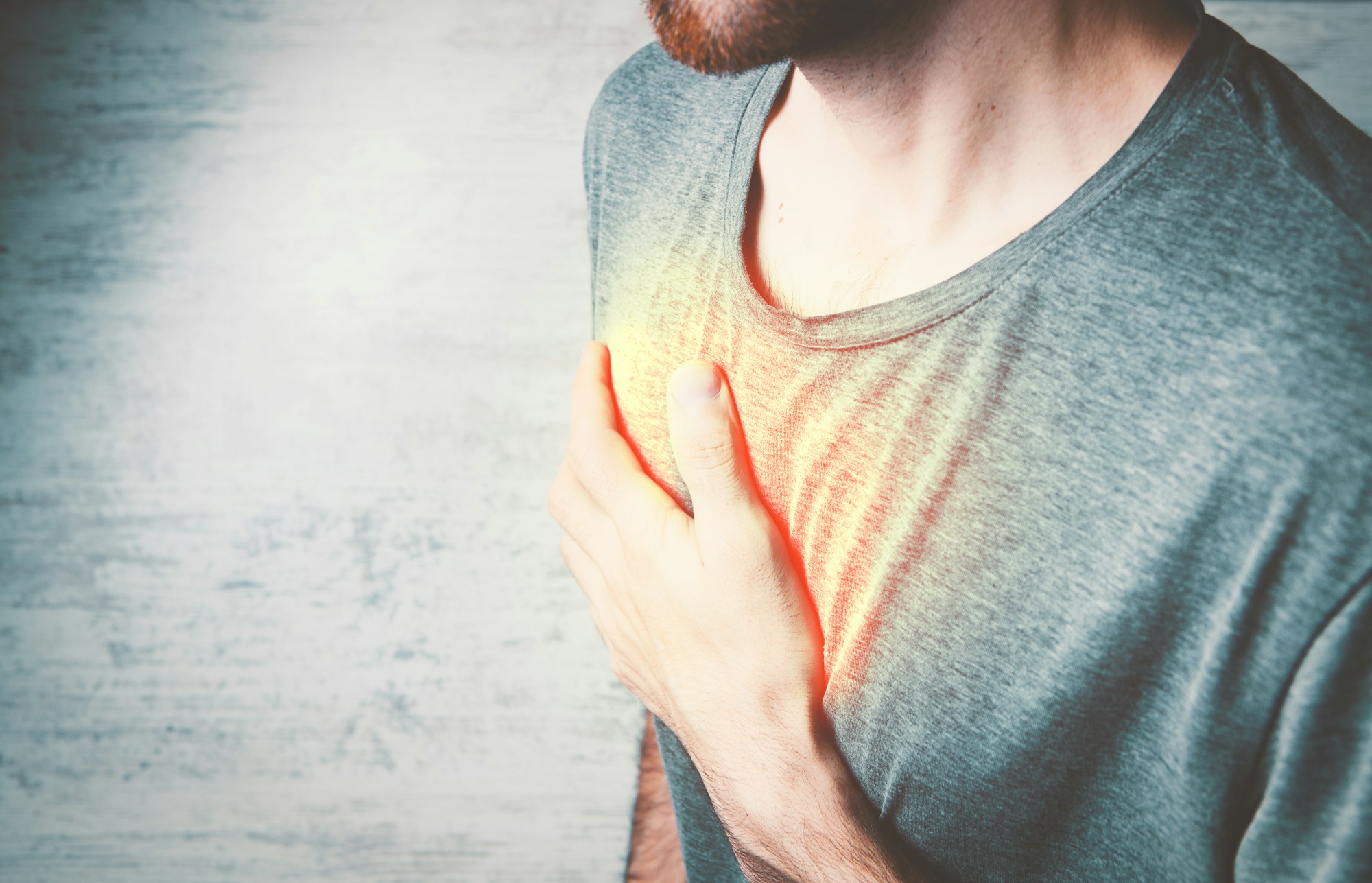
A huge misconception about heart attacks is that they’re dramatic, much like what we see on TV or in films, where someone clutches their chest before collapsing in a heap on the floor.
But, as Dr Haque explains, the reality can be quite different. “Symptoms can vary among people and many will experience a heaviness in their chest or pain in their arm, back, neck or jaw. Breathlessness, sweating, nausea or feeling faint may also be felt.”
The NHS lists the symptoms of a heart attack in full.
When should you get chest symptoms checked?
If you’re experiencing new symptoms or any worrying chest symptoms, particularly if they’re getting worse or they’re accompanied by breathlessness, nausea, fainting, sweating or pain that spreads to your arm, back, jaw or neck, you must seek urgent help. Call 999.
“The best thing you can do is to get help when something doesn’t feel right. It’s safer to get checked than to ignore it,” warns Dr Haque.
Anxiety and stress affect your heart in other ways too: our article on how stress affects your heart explains how.
No symptoms, but want to know how your heart is really doing? Book a Tomorrow Health Check
Photo: Sasun Bughdaryan on Unsplash.
Frequently asked questions
Can a panic attack feel like a heart attack?
Yes. Both can cause chest discomfort, breathlessness, sweating, nausea and dizziness. Even if you have had panic attacks before, it is safer to get new or worrying chest symptoms checked than to assume.
How long does a panic attack last?
A panic attack can develop quickly and usually lasts anywhere from five to 20 minutes.
What can a heart attack feel like?
Symptoms vary. Many people feel a heaviness in the chest or pain in the arm, back, neck or jaw, and may also feel breathless, sweaty, sick or faint. Heart attacks are not always dramatic.
When should I call 999 for chest pain?
Call 999 if chest symptoms are new or worrying, getting worse, or come with breathlessness, nausea, fainting, sweating or pain that spreads to your arm, back, jaw or neck.