Key takeaways
- Fibre, especially soluble fibre from oats, barley, beans and lentils, helps lower LDL “bad” cholesterol by binding to cholesterol in your gut.
- Each extra 7g of fibre a day is linked to around a 9% lower risk of cardiovascular disease and coronary heart disease.
- Adults should aim for 30g of fibre a day; the average UK adult eats about 18g.
- Simple swaps, such as oats instead of sugary cereal and wholemeal instead of white, add fibre without overhauling your diet.
You don’t need expensive superfoods or complicated diets to help protect your heart. Some of the most heart-friendly foods are probably already in your kitchen cupboard.
Think oats, potatoes, beans, lentils, vegetables and wholegrains. It’s the fibre in these foods that can help to lower your cholesterol and reduce your risk of cardiovascular disease.
What is fibre?
Fibre is found in plant foods. It’s the part your body can’t fully digest, often known as roughage.
Louise Carter, Dietitian and Wellness Coach at Tomorrow Wellness, explains: “There are two types of fibre: soluble fibre and insoluble fibre. Both are equally important and should be added into your daily routine. Just be sure to increase your fibre intake gradually and drink plenty of water so your digestive system has time to adjust.”
Soluble fibre
- What it does: dissolves in water to form a gel-like substance in your gut. It draws water into the colon and helps to soften stools.
- Effect on cholesterol: helps lower LDL “bad” cholesterol by binding to cholesterol in the gut so it can be removed from the body.
- Good sources: oats, barley, beans, lentils, chickpeas, peas, apples, pears, citrus fruits and carrots.
Insoluble fibre
- What it does: doesn’t dissolve in water; it adds bulk to stools, helping food move through the digestive system.
- Effect on cholesterol: doesn’t directly lower cholesterol, but contributes to overall heart health as part of a balanced, fibre-rich diet.
- Good sources: wholemeal bread, wholewheat pasta, brown rice, bran cereals, potatoes with the skin on, broccoli, cabbage, cauliflower, nuts and seeds.
How does fibre lower cholesterol?
All fibre is helpful, but soluble fibre steals the heart-health show: it binds to cholesterol in your gut and removes it from your body, helping to reduce LDL “bad” cholesterol.
Cholesterol is a waxy substance made by your liver. Your body needs it to build healthy cells and produce hormones, but too much LDL cholesterol can build up in your arteries, increasing your risk of heart attack and stroke. Our guide to cholesterol results explains what your numbers mean.
“Fibre can also help you feel fuller for longer and support healthy blood sugar levels, so you can avoid energy peaks and crashes,” adds Louise.
Find out your cholesterol status. Book today
How much does fibre reduce heart disease risk?
There’s plenty of research behind fibre’s impact on heart health. A review published in the British Medical Journal found that for every extra 7g of fibre eaten each day, the risk of cardiovascular disease fell by around 9%, and the risk of coronary heart disease also fell by around 9%.
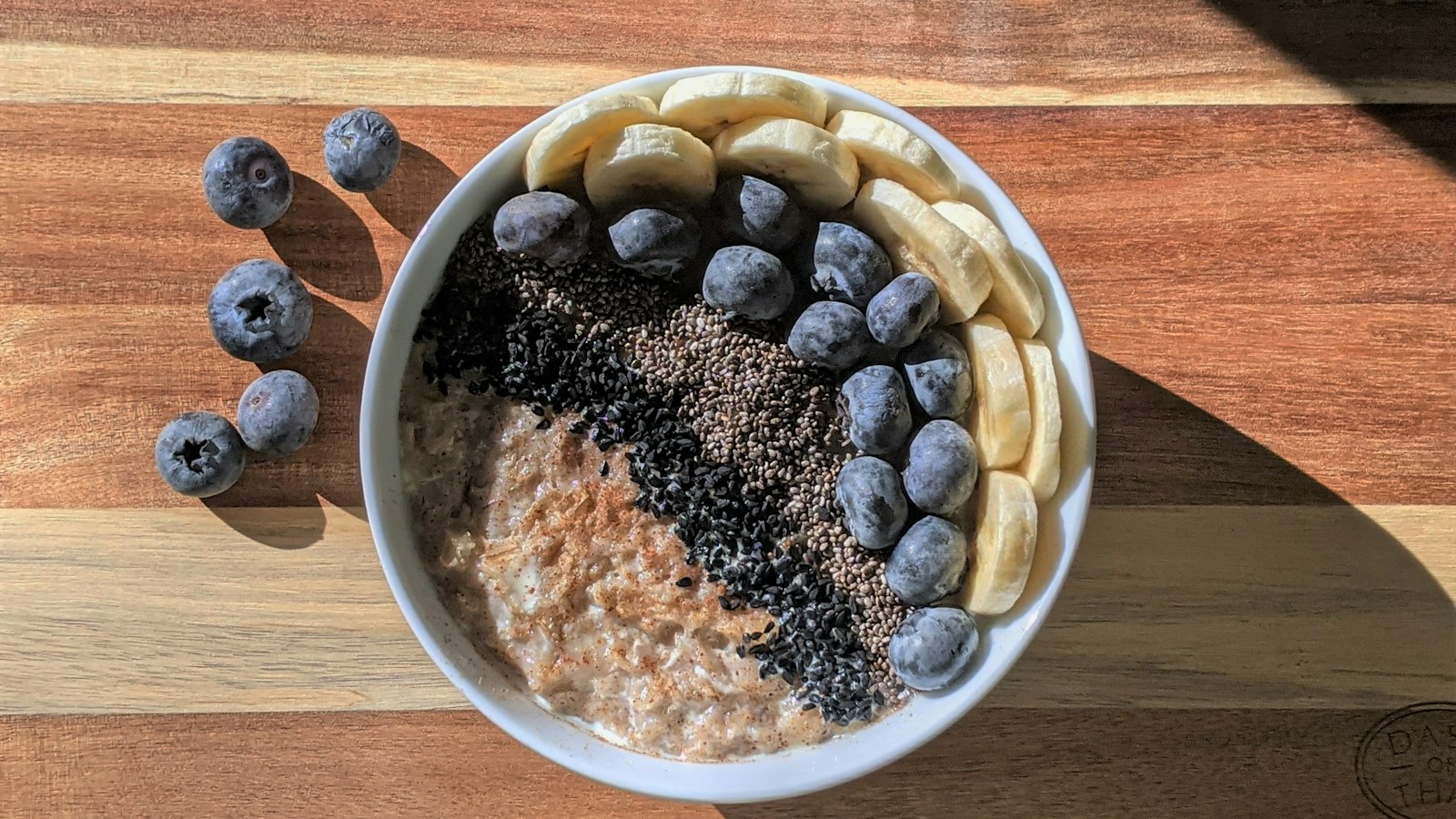
For context, half a tin of baked beans contains about 7g of fibre. A bowl of porridge with berries and seeds provides around 7 to 10g, and a lentil soup with wholemeal bread around 8 to 10g.
30g a day. That’s the recommended daily fibre intake for adults. On average, UK adults eat a much smaller 18g a day.
What are the easiest ways to eat more fibre?
You don’t need to overhaul your diet:
- Swap sugary cereals for oats and fruit.
- Swap white bread, rice and pasta for wholemeal varieties.
- Swap jam on toast for peanut butter and banana on toast.
- Add beans and lentils to soups, casseroles and salads.
- Add a spoonful of seeds to porridge and salads.
- Leave the skins on potatoes and root vegetables when baking or boiling.
Tomorrow and The Gut Stuff
We’ve teamed up with The Gut Stuff, whose founders share our passion for heart health:
“At The Gut Stuff, we’re passionate about fibre. But we’re just as passionate about heart health, after losing our dad to a heart attack far too young. Turns out the two are deeply connected, which is exactly why we want to shout about it as loudly as we can. And upping your fibre? We’ve made that the easy part.” – Alana and Lisa, founders of The Gut Stuff
Eat for your heart. Book here
Photo: Susan Wilkinson on Unsplash.
Frequently asked questions
Which foods are high in soluble fibre?
Oats, barley, beans, lentils, chickpeas, peas, apples, pears, citrus fruits and carrots are all good sources of soluble fibre, the type that helps lower LDL cholesterol.
How much fibre should I eat a day?
Adults are advised to eat 30g of fibre a day. The average UK adult eats about 18g, so most people benefit from adding more gradually, with plenty of water.
Does fibre lower cholesterol?
Soluble fibre does. It binds to cholesterol in your gut so it can be removed from the body, helping to reduce LDL “bad” cholesterol. Insoluble fibre supports overall heart health but doesn’t directly lower cholesterol.
How much does eating more fibre reduce heart disease risk?
A review in the British Medical Journal found that each extra 7g of fibre a day was linked to around a 9% lower risk of cardiovascular disease and of coronary heart disease.